FWMC is committed to supporting sustainable and efficient solid waste management and automated processing systems through comprehensive technical consultancy, project implementation support, capacity building, and institutional strengthening. We partner with government departments, Urban Local Bodies (ULBs), public sector organizations, development agencies, and private institutions to develop integrated waste management solutions that are environmentally sound, economically viable, and socially inclusive. Our expertise spans the entire solid waste management value chain—from waste generation and segregation at source to collection, transportation, processing, resource recovery, recycling, and scientific disposal. We assist clients in designing and implementing systems that comply with the provisions of the Solid Waste Management Rules, 2016, while promoting circular economy principles and improving urban sanitation.
Fusion Waste Management Pvt. Ltd. (FWMC) provides end-to-end Municipal Solid Waste (MSW) Processing and Resource Recovery solutions, covering the complete value chain from waste reception and segregation to scientific processing, resource recovery, recycling, and environmentally safe disposal.
Our expertise includes planning, establishment, operation, and optimization of Material Recovery Facilities (MRFs), Composting Facilities, Bio-methanation Plants, Waste Processing Plants, Transfer Stations, and Integrated Solid Waste Management Facilities for Urban Local Bodies (ULBs).
FWMC scientifically processes all municipal solid waste streams, including biodegradable waste, recyclable waste, combustible waste, inert materials, horticulture waste, construction & demolition (C&D) waste, legacy waste, and other municipal waste fractions. Depending on the waste characteristics, appropriate technologies such as composting, vermicomposting, biomethanation, material recovery, RDF production, co-processing, recycling, and scientific disposal are adopted to maximize resource recovery while minimizing environmental impact.
Our integrated processing approach focuses on recovering valuable resources, producing quality compost and alternative fuels, increasing recycling efficiency, reducing landfill dependency, and ensuring compliance with the Solid Waste Management Rules, 2016. Through advanced process optimization, efficient plant operations, and sustainable waste management practices, FWMC enables Urban Local Bodies to achieve cleaner cities, higher resource recovery, and long-term environmental sustainability
A specialized model designed to make municipal wards completely self-reliant in waste management, successfully transitioning them into decentralized zero-waste zones. FWMC extended complete execution and sustainability planning for this pilot, scaling from 5 to 11 wards. The intervention deployed structured teams of Swachhata Didis for intensive door-to-door source segregation training, distributed subsidized household compost bins, and introduced the highly innovative 'Swachhata Buddy Card' (ideated by FWMC) to reward citizens transforming organic kitchen waste into compost at source.
In line with circular economy mandates, FWMC developed dedicated operational parameters for RRR Centres across multiple urban locations. These centers serve as accessible, highly organized community hubs where citizens deposit reusable/recyclable materials (paper, textiles, electronics, furniture). Collected items are systematically segregated; components suited for reuse are refurbished or donated, while recyclables are directly funneled to authorized corporate recycling plants, severely decreasing landfill load.
Organized in tandem with the Municipal Corporation Chhindwara, this extensive training seminar was executed as a strict Zero Waste Event. Single-use plastics were entirely eliminated, replaced by stainless steel utensils and cloth bags from the municipal utensil bank. All event infrastructure used natural/recycled materials, and all generated organic residue was immediately redirected to scientific composting, demonstrating practical execution of the 3R framework to municipal officials and sanitation workforces.
To systematically suppress Single-Use Plastics (SUP), FWMC ideated and helped establish over 20 community-managed Bartan (Utensil) and Thaila (Cloth Bag) Banks across Chhindwara. Citizens rent steel utensils at highly nominal rates for social functions, preventing massive plastic waste generation. FWMC works closely with local women-led Self-Help Groups (SHGs) to run these banks, generating reliable micro-livelihoods while implementing sustainable urban patterns.
Under this critical healthcare banner, FWMC facilitates specialized interactive awareness sessions led by medical professionals across urban schools and Anganwadi centres. The initiative equips adolescent girls and women with scientifically accurate knowledge regarding menstrual health, correct safe usage/disposal of sanitary materials, and general nutrition, while actively dismantling deeply rooted cultural stigmas.
Targeted Information, Education, and Communication (IEC) programs utilizing interactive formats to engage the youth. Through 'Swachhta Ki Pathshala', younger school children learn source segregation via gamified workshops, while senior college students participate in 3R modeling, slogan writing, and community awareness rallies, turning educational institutes into active zones of civil responsibility.
FWMC conceptualized the structural setting of 20 'Neki Ki Deewar' (Walls of Kindness) resource centers in association with the Chhindwara Municipal Corporation. These act as public donation hubs allowing citizens to leave usable clothes, shoes, food, and utensils for underserved individuals. This intervention re-contextualizes potential waste into valuable community resources.
FWMC leads extensive public art and structural campaigns to build clean urban identities. This includes executing large-scale awareness wall paintings highlighting the Safai Mitra Suraksha Helpline (14420), Swachh Survekshan parameters, and public sanitation rules. Furthermore, FWMC supported the design of decorative protective wire mesh fencing across urban water body bridges, preventing public littering and enhancing local aesthetics.
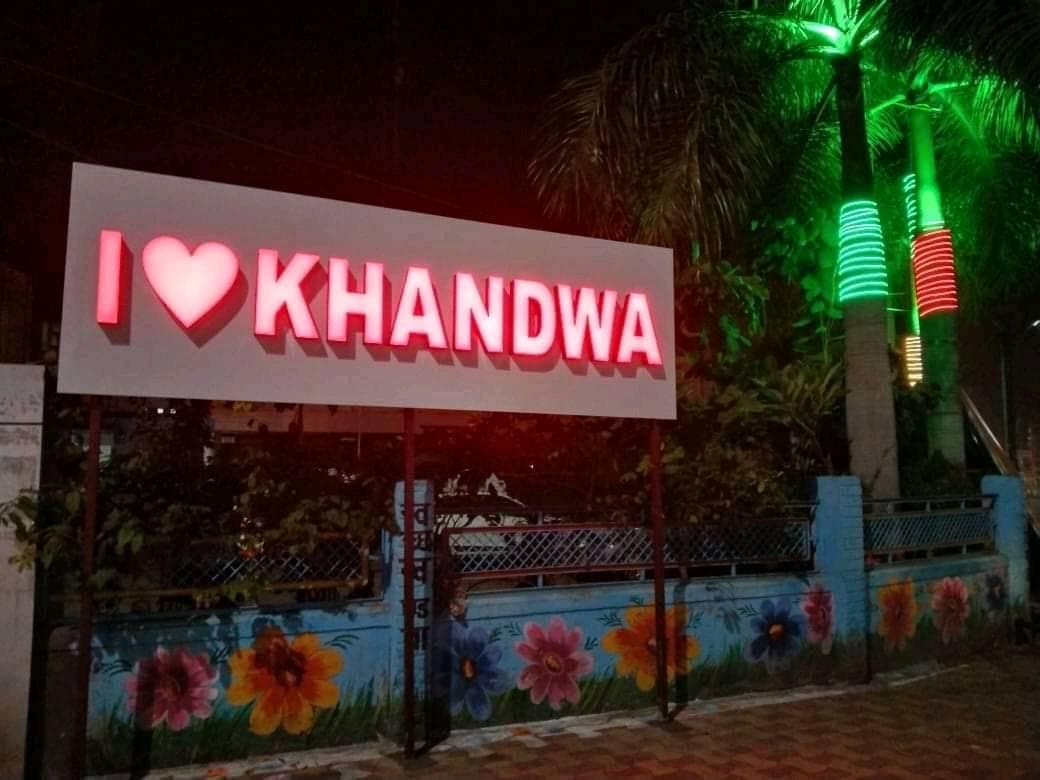
Khandwa

Chhindwara

Nagda
Seoni
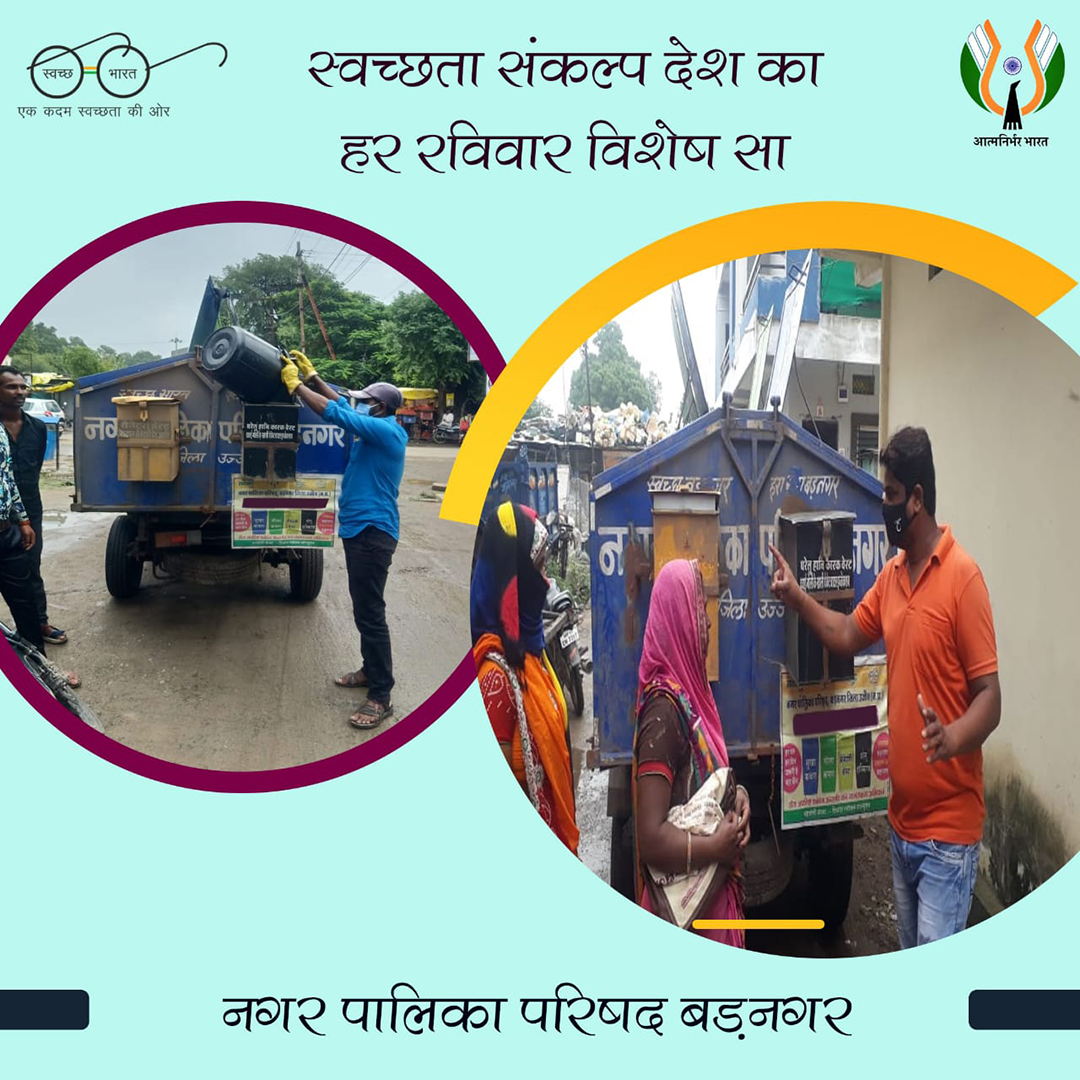
Badnagar
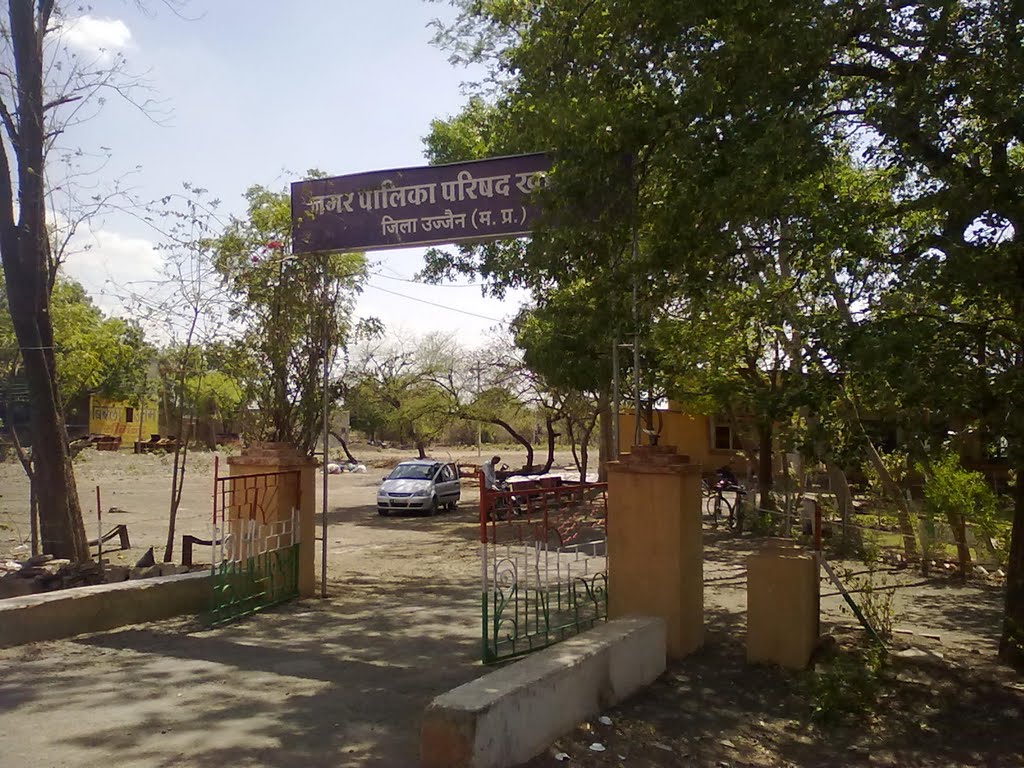
Khachrod

Neemuch
Khandwa
Chhindwara
Nagda